
Date: December 11, 2025
Does Scoliosis Get Worse Over Time? What You Should Know (Tucson Chiropractor)
Scoliosis is one of those conditions that can feel a little mysterious, especially if you’ve been told you have it but aren’t sure what it means long-term. At Life Aligned Wellness here in Tucson, we hear this question all the time:
“Will my scoliosis get worse as I get older?”
Let’s break this down in a simple, supportive way (minus the medical jargon) so you actually understand what’s happening in your body, and what you can do to stay ahead of it.
What Exactly Is Scoliosis?
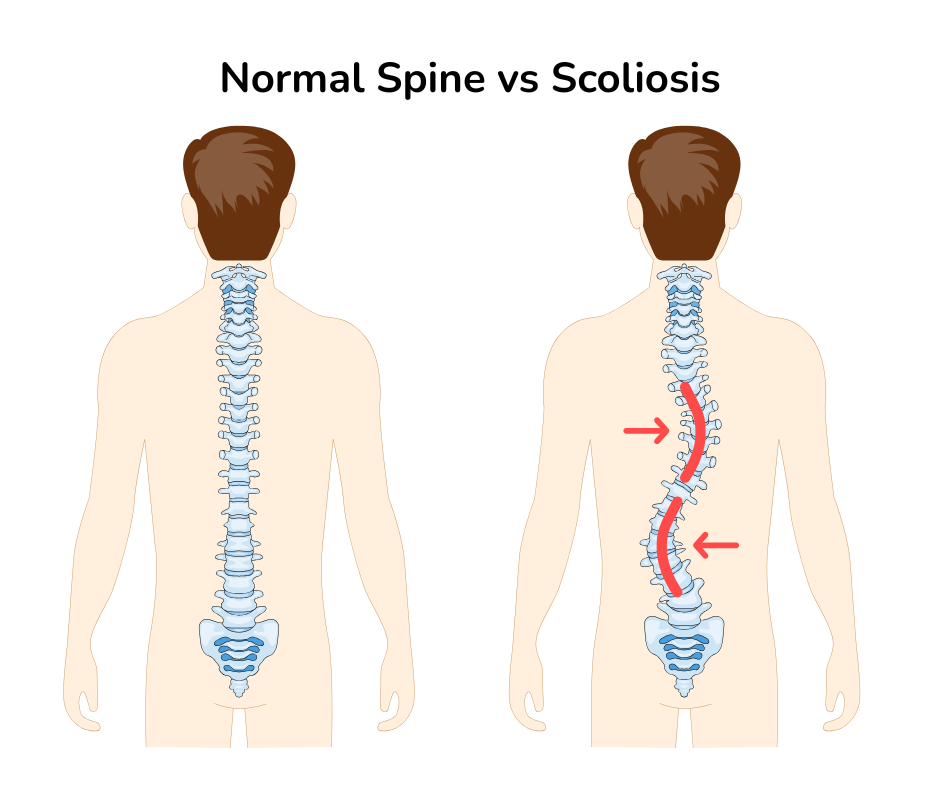
Scoliosis is a sideways curve of the spine, often shaped like an S or C. This curve can be mild, moderate, or severe, and it can change over time depending on age, muscle balance, posture, and lifestyle habits.
There are several types, but the two you hear most often are:
- Idiopathic scoliosis (most common; often develops during childhood or adolescence)
- Degenerative scoliosis (develops in adulthood as discs, joints, and bones age)
No matter your age, the big question remains: does it progress?
Does Scoliosis Get Worse Over Time? What Tucson Patients Need to Know
In many cases — yes, scoliosis can worsen, but not always.
How much it progresses depends on the type, severity, and how well it’s managed.
Here’s what research tells us:
- Mild adolescent scoliosis may stay stable into adulthood.
- Curves greater than 30 degrees are more likely to progress with age.
- Degenerative scoliosis tends to worsen because the spine naturally changes over time.
A 2014 study in Scoliosis and Spinal Disorders found that adult scoliosis curves can progress about 0.5–3° per year if untreated, especially those caused by degeneration.
In short: scoliosis is not something to ignore.
But it is something you can manage extremely well with the right care.
Common Signs Your Scoliosis May Be Progressing
If you’re noticing any of these changes, it’s a sign your curve may be shifting:
- One shoulder or hip sits higher than the other
- Increased back pain or stiffness
- Clothing hanging unevenly
- A visible change in posture
- Reduced flexibility or mobility
- Fatigue after standing/walking
If these symptoms sound familiar, it’s worth getting checked, especially if you live here in Tucson and want a conservative, non-invasive approach first.
Scoliosis Treatment at Our Tucson Chiropractic Clinic
Our goal is to slow or stop progression, reduce pain, and help you move comfortably every day. We use a combination of chiropractic adjustments, rehab exercises, and posture-based correction.
Your scoliosis care plan may include:
- Gentle chiropractic adjustments to restore mobility and reduce compensation patterns
- Strengthening exercises for core and spinal stabilizers
- Posture retraining so your body learns healthier movement patterns
- Flexibility work to address tight muscles pulling the spine
- Lifestyle coaching, especially for desk workers or people who stand all day
Every scoliosis case is different, so your treatment plan is tailored to your curve, your goals, and your daily demands.
What You Can Do at Home to Support Your Spine
Here are simple, actionable tips you can start right now:
1. Strengthen Your Core (gently!)
Focus on exercises like:
- Bird dog
- Modified planks
- Side-lying leg lifts
2. Stretch Your Tight Side
Most scoliosis curves create a “tight side” and a “weak side.” Gentle daily stretching helps ease muscle tension.
3. Watch Your Posture
If you sit most of the day:
- Keep your screen at eye level
- Use a lumbar support
- Take standing or walking breaks every 30–45 minutes
4. Stay Active
Walking, swimming, Pilates, and low-impact strength training are great for scoliosis.
5. Get Checked Regularly
Chiropractic exams and digital posture assessments allow you to track changes early — before symptoms get worse.
👉 Ready to check on your spine?
Does Scoliosis Always Lead to Surgery?
A common fear, but most people with scoliosis never need surgery.
Surgery tends to be recommended only when:
- Curves exceed ~45–50 degrees
- There’s severe, unmanageable pain
- Breathing or organ function is affected
Most people fall nowhere near these ranges and respond well to conservative care.
When to See a Chiropractor in Tucson
If you experience:
- Worsening back pain
- A visible change in posture
- Numbness or tingling
- New or worsening unevenness in shoulders, ribs, or hips
…it’s time for an evaluation.
If you’ve already been diagnosed with scoliosis, we can check whether it’s progressed and help build a plan to keep your spine moving well for years to come.
Curious about what to ask your chiropractor? Download the “10 Questions to ask your Chiropractor” guide for Scoliosis!