
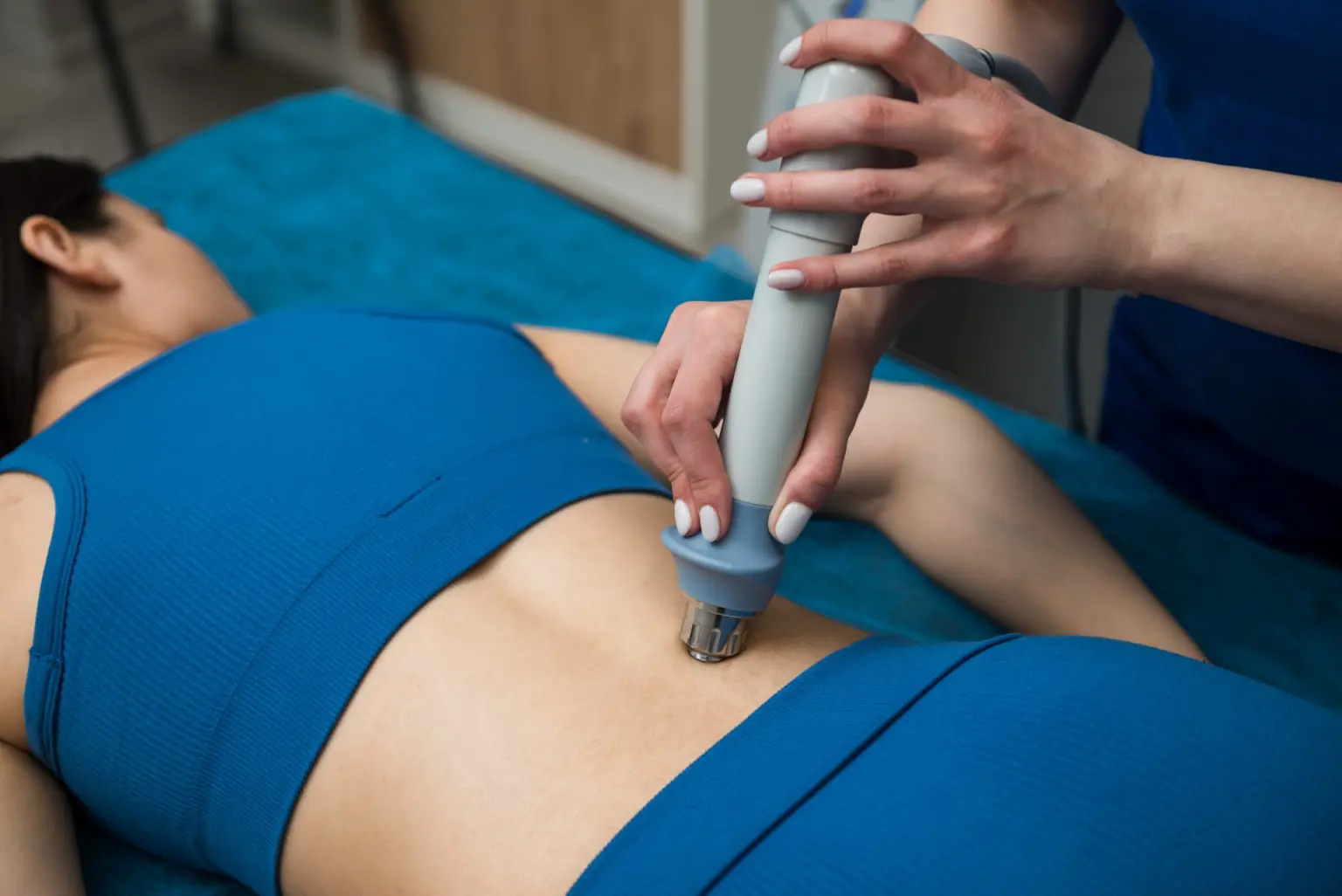
Shockwave Therapy for Back Pain
Content Reviewed By: Dr. Christopher Cox, D.C. on August 21, 2026
Chiropractic License Number: 7238 (NPI: 1134253172)
How Shockwave Helps Upper Back Pain & Lower Back Pain
Shockwave therapy sends controlled acoustic waves into painful back tissues. Those waves trigger a mechanical–biological response (mechanotransduction) that increases local blood flow, stimulates fibroblasts, supports collagen remodeling, and modulates pain signaling—mechanisms that help calm persistent nociceptive input from muscles, fascia, and enthesis regions.
For chronic low back pain, multiple reviews of randomized trials report that ESWT (shockwave) can reduce pain and improve function versus standard care or placebo at short-to-mid-term follow-up, with low rates of adverse events. This makes it a reasonable option when exercise, manual care, or medications haven’t delivered lasting relief.
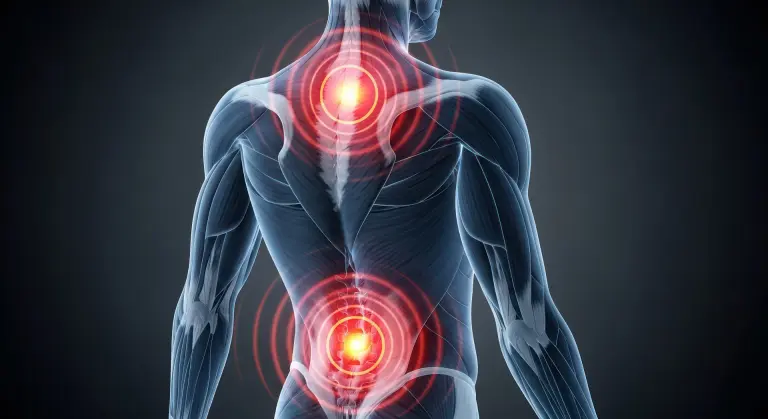
For upper-back myofascial pain, shockwave may help by deactivating trigger points and reducing trapezius/ paraspinal muscle tenderness. Early clinical studies and trials in neck/upper-back myofascial pain show pain improvements after shockwave (including radial shockwave), though methods vary and the evidence base is still developing.
Who’s a Good Candidate?
Shockwave is a good option for people with mechanical or myofascial low-back pain that’s hung around for 6+ weeks and hasn’t improved with the basics—activity/load changes, mobility and strength work, and hands-on care. It’s especially helpful when the pain is well-localized (paraspinal muscles, gluteal/hip attachments, or around the SI region) and keeps flaring with standing, bending, or lifting. ESWT (shockwave) can desensitize painful trigger points and stimulate soft-tissue repair, so it often works best alongside a conservative plan (core and hip strengthening, flexibility, posture/ergonomics, and gradual return to activity).

Conditions Shockwave Therapy Can Help with Back Pain
Chronic Low Back Pain
When exercise and hands-on care haven’t fixed it, shockwave can calm pain signaling and support tissue repair in stubborn lumbar pain.
Upper-Back Myofascial Pain
Great for tight, tender trigger points in the traps and paraspinals. Radial shockwave helps release knots and ease stiffness.
Activity-Related Back Pain
If bending, lifting, or sport keeps flaring your back, shockwave quiets irritated soft tissues so you can move and train with less pain.
Localized Tendon/Enthesis Irritation
Targets sore attachment points where tendons meet bone around the spine/hips. Focused shockwave boosts circulation and collagen remodeling.
How Many Sessions of Shockwave Therapy For Back Pain?
Everyone heals at a different pace, but for chronic low-back pain most shockwave plans involve 6–12 sessions (sometimes more, depending on the individual situation), typically one visit each week. We tune intensity to your comfort and progress and combine care with targeted core/hip strengthening, mobility work, and posture/ergonomics so results build week to week.

Complementary Care That Boosts Shockwave Therapy Results


Frequently Asked Questions
Side effects are usually mild and temporary (brief soreness, redness, swelling). Serious complications are rare when delivered by trained clinician
Focused shockwaves concentrate energy deeper in tissue; radial waves are more diffuse and superficial. Clinics choose based on target depth and goals—both are used for musculoskeletal pain.
Early studies show short-term pain relief for myofascial trigger points (e.g., trapezius), but the evidence quality is low and more robust trials are needed.
Yes — back pain can sometimes be linked to constipation. The nerves in your lower back help control the muscles of your abdomen and digestive system. When those nerves become irritated or compressed, it may affect bowel function. Additionally, limited movement from pain can slow digestion. A chiropractic evaluation can help determine whether spinal misalignment or nerve irritation is contributing to both issues.
Absolutely. Stress can lead to muscle tension, shallow breathing, and changes in posture — all of which place extra strain on the lower back. Over time, this tension can create pain, tightness, or stiffness. Chiropractic care helps relieve physical stress on the spine, while lifestyle guidance and mobility work can support long-term relief.
Both can be helpful depending on the type of pain. Ice is best for new injuries, swelling, or sharp pain because it helps calm inflammation. Heat works well for stiffness, muscle tightness, and chronic discomfort by improving circulation and relaxing the tissues. If you’re not sure which one is right for your situation, we can assess your symptoms and guide you toward the best option.
Your physical therapy sessions will focus on restoring proper movement, strength, and stability in your lower back and surrounding muscles. Treatment may include targeted exercises, guided stretching, manual therapy, posture training, and education on how to move safely throughout your day. Each program is personalized to your condition and comfort level to help you recover efficiently and prevent future pain.
Content Reviewed By: Dr. Christopher Cox, D.C. on August 21, 2026
Chiropractic License Number: 7238 (NPI: 1134253172)