
Date: March 12, 2026
How to Tell If You Have Plantar Fasciitis (And What to Do Next)
If you’re dealing with sharp heel pain first thing in the morning or aching feet after a long day, you might be wondering: Is this plantar fasciitis? You’re not alone. Plantar fasciitis is one of the most common causes of foot pain we see at Life Aligned Wellness in Tucson, and the good news is, there’s a lot you can do about it.
In this guide, we’ll walk through how to tell if you have plantar fasciitis, what causes it, and what your next steps should be to get lasting relief.
What Is Plantar Fasciitis? Tucson Chiropractor Explains
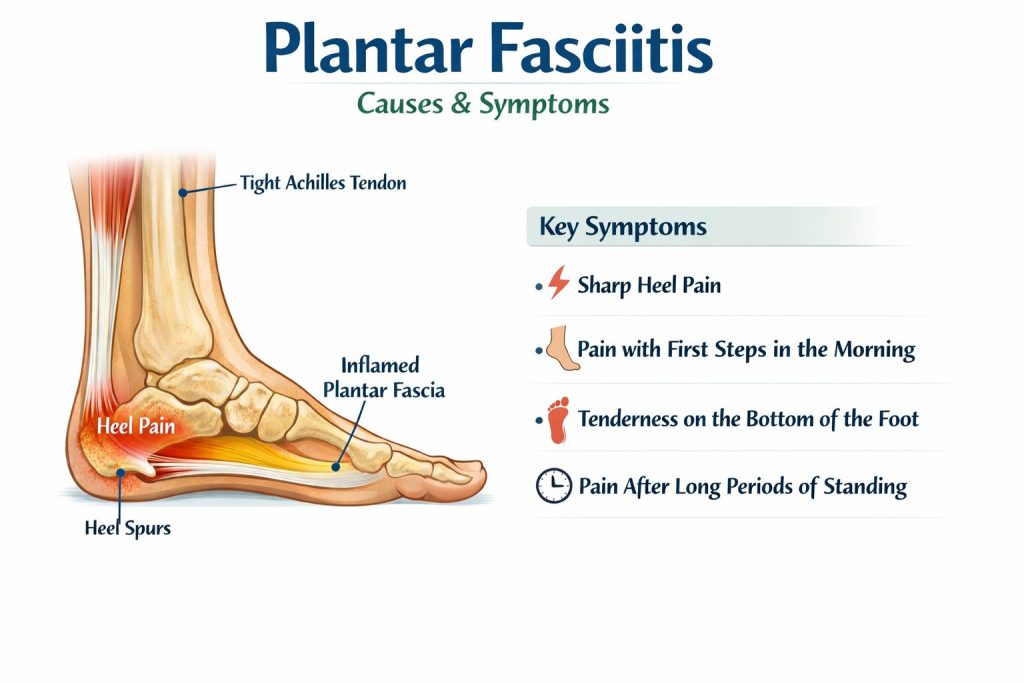
Plantar fasciitis occurs when the plantar fascia, a thick band of connective tissue running along the bottom of your foot, becomes irritated or inflamed. This tissue supports your arch and absorbs shock when you walk. When it’s under too much stress, small tears can develop, leading to pain and stiffness.
While it’s often associated with runners, plantar fasciitis can affect anyone, especially people who are on their feet a lot or who have underlying biomechanical issues.
Common Signs You May Have Plantar Fasciitis
Not all foot pain is plantar fasciitis, but these symptoms are strong indicators:
- Sharp or stabbing pain in the heel, especially on the bottom or inner edge
- Pain with the first steps in the morning or after sitting for a while
- Pain that improves with movement but worsens after long periods of standing or walking
- Heel tenderness when pressing on the foot
- Tightness in the calf or Achilles tendon
If this sounds familiar, plantar fasciitis could be the root cause, especially if symptoms have lingered for weeks.
What Causes Plantar Fasciitis?
In our Tucson chiropractic office, we often find that plantar fasciitis isn’t caused by just one thing. Common contributing factors include:
- Poor foot mechanics or overpronation
- Flat feet or high arches
- Tight calves or limited ankle mobility
- Unsupportive footwear
- Sudden increase in activity (walking, running, standing)
- Prolonged standing on hard surfaces
Rather than only treating the pain, we focus on identifying why the plantar fascia is being overloaded in the first place.
How a Chiropractor in Tucson Can Help
At Life Aligned Wellness, we take a whole-body approach to plantar fasciitis treatment. Your feet don’t work in isolation. How your ankles, knees, hips, and spine move all matter.
Your care plan may include:
- Chiropractic adjustments to improve lower-body alignment
- Foot and ankle mobilization
- Soft tissue therapy for the plantar fascia and calf muscles
- Gait and posture assessment
- At-home stretching and strengthening exercises
This approach helps reduce strain on the plantar fascia and supports long-term healing, not just temporary relief.
Simple At-Home Steps You Can Start Today
If you suspect plantar fasciitis, here are a few safe steps you can start right away:
- Calf stretch: Gently stretch your calves 2–3 times per day
- Plantar fascia stretch: Pull your toes back toward your shin while seated
- Foot rolling: Roll your foot over a frozen water bottle or ball for 1–2 minutes
- Supportive shoes: Avoid walking barefoot on hard floors
- Rest when possible: Reduce high-impact activities temporarily
Consistency matters here—small daily habits can make a big difference.
When to Seek Professional Help
You should consider seeing a chiropractor or healthcare professional if:
- Pain lasts longer than 2–3 weeks
- Symptoms are worsening instead of improving
- Heel pain is affecting your sleep or daily activities
- You’ve tried rest and stretching without relief
Early care often means faster recovery and less chance of chronic foot pain.
If you’re dealing with ongoing heel pain, a personalized evaluation can help uncover the root cause.
What About Imaging or Medical Diagnosis?
Plantar fasciitis is typically diagnosed based on symptoms and physical examination. Imaging like X-rays or MRIs are usually unnecessary unless symptoms don’t improve or another condition is suspected.
Trusted sources such as the Mayo Clinic recognize plantar fasciitis as a mechanical overuse condition that responds well to conservative care.
Plantar fasciitis can be frustrating, but it’s also very treatable when addressed early and properly. If you’re in Tucson and wondering whether your foot pain is plantar fasciitis, we’re here to help.
Schedule your consultation with Life Aligned Wellness today and start walking comfortably again.