

Knee Pain Treatment in Tucson: Evidence-Based, Non-Surgical Care
Schedule NowContent Reviewed By: Dr. Christopher Cox, D.C. on August 21, 2026
Chiropractic License Number: 7238 (NPI: 1134253172)
- Quick Answer
- Knee Pain, Explained Simply
- Symptoms and How Knee Pain Shows Up Day to Day
- What Drives Knee Pain in the First Place
- Red Flags: When to Seek Urgent Care
- How We Assess Your Knee
- Your Personalized Treatment Plan
- What the Evidence Says, in Plain Language
- A Real-World Example: One Patient’s Path
- Meet Your Doctor
- What Our Patients Say
- Watch: Non-Surgical Knee Pain Care in About 5 Minutes
- Free Knee Pain Recovery Guide
- Trusted Knee Pain Care in Tucson
- References and Medical Review
- Knee Pain FAQs
On This Page
- Quick Answer
- Knee Pain, Explained Simply
- Symptoms and How Knee Pain Shows Up Day to Day
- What Drives Knee Pain in the First Place
- Red Flags: When to Seek Urgent Care
- How We Assess Your Knee
- Your Personalized Treatment Plan
- What the Evidence Says, in Plain Language
- A Real-World Example: One Patient’s Path
- Meet Your Doctor
- What Our Patients Say
- Watch: Non-Surgical Knee Pain Care in About 5 Minutes
- Free Knee Pain Recovery Guide
- Trusted Knee Pain Care in Tucson
- References and Medical Review
- Knee Pain FAQs
Quick Answer
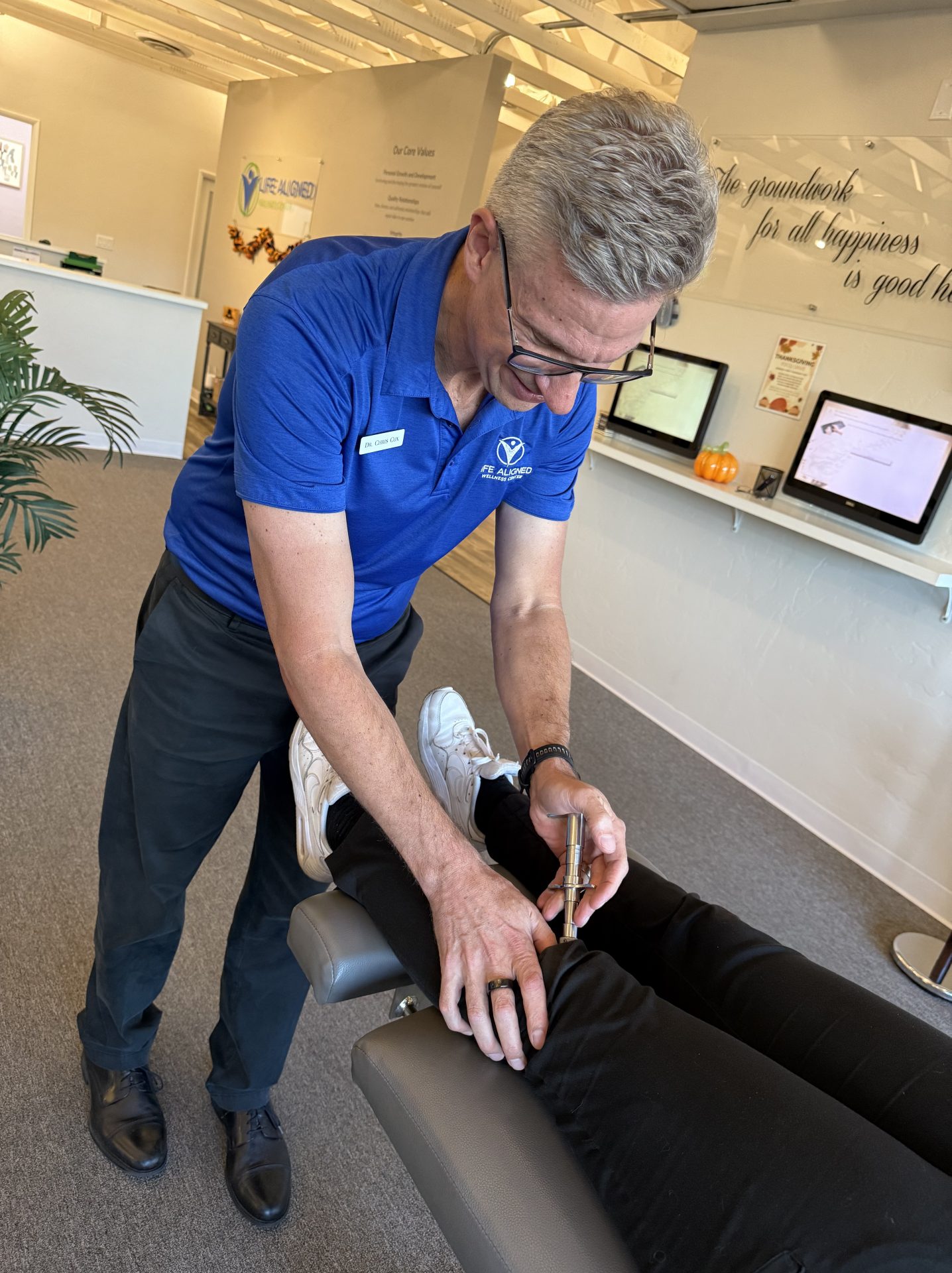
Knee pain treatment usually starts with conservative, non-surgical care rather than medication or surgery. While knee pain can certainly come from structures inside the joint—such as the cartilage, meniscus, ligaments, tendons, or arthritis, it often isn’t just a knee problem. In many cases, especially when the pain develops gradually without a specific injury, the knee is simply the place where the symptoms show up. The underlying cause may actually be poor foot mechanics, limited ankle mobility, hip weakness, altered walking patterns, or even dysfunction in the pelvis or low back that changes how force travels through the knee with every step. That’s why effective treatment begins with understanding why your knee hurts, not just where it hurts. First-line care focuses on reducing irritation, restoring healthy movement throughout the entire kinetic chain, and rebuilding strength through hands-on treatment and personalized rehabilitation. Seek urgent medical care if you have a hot, swollen knee with fever, a knee that locks or gives way, severe pain after a fall or twist, or a sudden inability to bear weight.
Knee Pain, Explained Simply
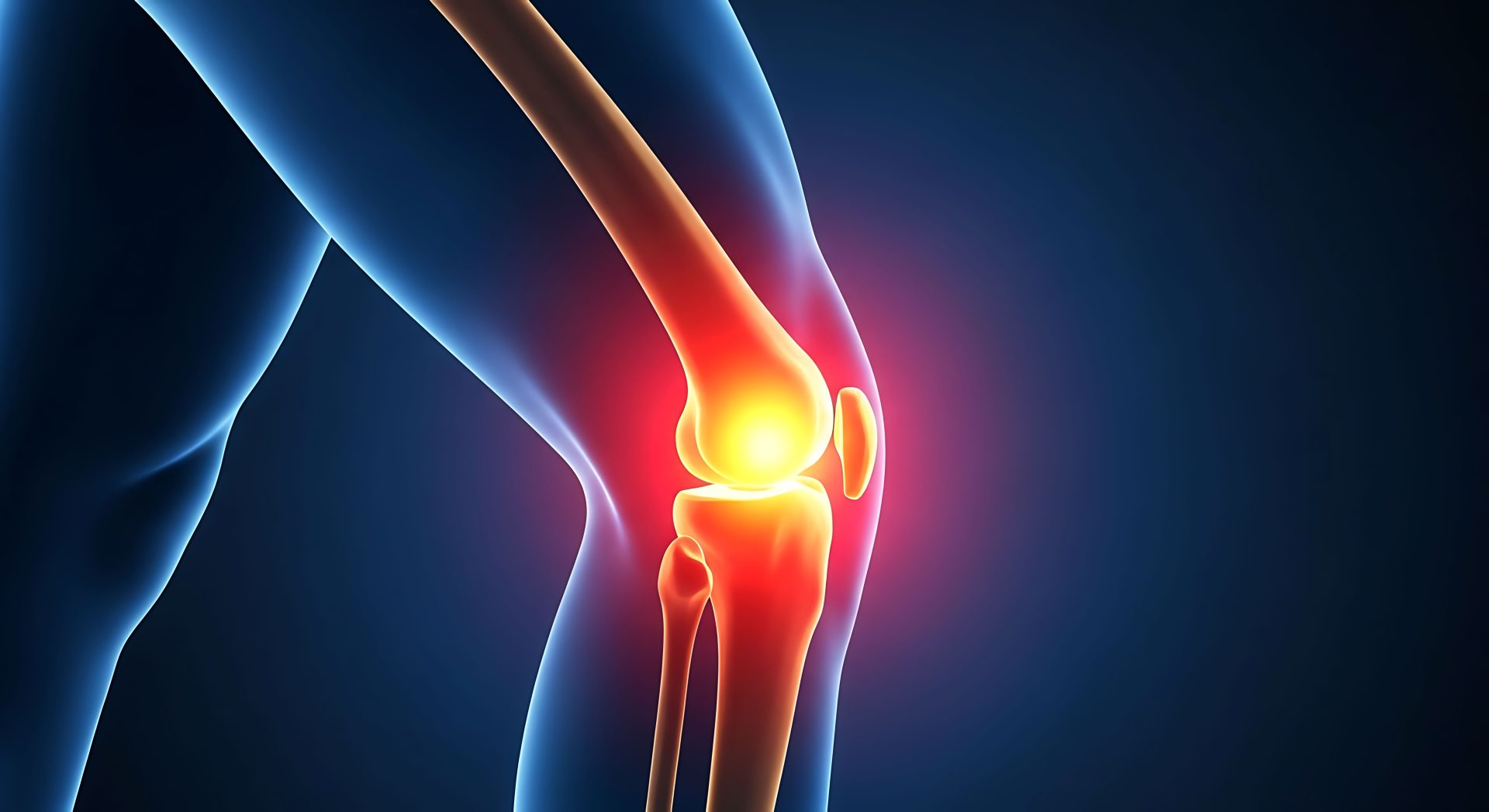
The knee is one of the hardest-working joints in your body. It has to provide enough stability to support your weight while remaining flexible enough to walk, squat, climb stairs, and change direction. Although it’s often described as a simple hinge joint, the knee depends on many structures working together. Smooth cartilage cushions the ends of the bones, the meniscus acts as a shock absorber, strong ligaments provide stability, tendons connect the muscles that move the joint, and small fluid-filled bursae help reduce friction. When any of these tissues become irritated, overloaded, or injured, knee pain can develop.
What many people don’t realize, however, is that the knee doesn’t work in isolation. Every step you take requires your foot, ankle, knee, hip, pelvis, and lower back to work together as a coordinated system. If one area isn’t moving well or doing its share of the work, the knee often has to compensate by absorbing more stress than it was designed to handle. Over thousands of steps each day, that extra load can eventually lead to pain, even when the knee itself isn’t the original source of the problem.
It also helps to think of knee pain in two broad categories. Acute knee pain comes on suddenly, often after a specific twist, fall, or sports injury, and is commonly associated with swelling during the first day or two. Persistent or chronic knee pain, on the other hand, usually develops gradually without one memorable event. It may build over weeks or months as tissues become overloaded by repetitive movement, muscle imbalances, arthritis, or faulty biomechanics. Because these two situations have very different causes, they often require different treatment approaches.
A couple of common myths are worth clearing up. First, knee pain is not always “bone on bone,” and an arthritis diagnosis does not automatically mean surgery is inevitable. Many people with arthritis on an X-ray or MRI are able to reduce their pain significantly and stay active with the right combination of rehabilitation, strength training, and movement strategies. Second, complete rest is rarely the answer. While a short period of activity modification may be appropriate, prolonged rest often leads to weaker muscles, stiffer joints, and an even less resilient knee. In most cases, the goal is to restore healthy movement, not avoid it.

Symptoms and How Knee Pain Shows Up Day to Day
Knee pain rarely announces itself the same way for everyone. Some people notice pain when bending the joint, squatting, or lowering into a chair. Others experience discomfort when walking longer distances or feel a sharp catch going down stairs, one of the most common patterns we see. The location of the pain can offer important clues, but it doesn’t always tell the whole story. Inner knee pain often involves the meniscus or early osteoarthritis, while pain behind the knee may relate to tightness, swelling, or the structures at the back of the joint. In some cases, however, the pain is simply where the body is compensating for problems elsewhere, such as the foot, hip, or lower back.
Common symptoms include:
- Aching, sharp, or burning pain in, around, or behind the kneecap
- Stiffness, especially in the morning or after sitting for a while
- Swelling, warmth, or a sense of fullness in the joint
- Clicking, grinding, or a feeling that the knee may give way
- Pain when kneeling, squatting, climbing, or descending stairs
- Knee pain without an obvious injury that seems to appear gradually and slowly worsen
The pattern of what makes your pain better or worse is often just as important as where it hurts. Many people notice their symptoms improve with gentle movement and warmth but flare after prolonged sitting, deep bending, repetitive activity, or high-impact exercise. These patterns help us determine not only which tissues are irritated, but also why they’re being overloaded in the first place.
Over time, knee pain starts to affect much more than the joint itself. Sleep can suffer when the knee aches at night. Work becomes more difficult for anyone who stands, lifts, kneels, or climbs throughout the day. Favorite activities like hiking, pickleball, gardening, or simply keeping up with your kids or grandkids gradually become something to avoid. That loss of confidence and normal life, not just the pain itself, is usually what brings people through our doors.

What Drives Knee Pain in the First Place
One of the first questions people ask is, “Why me?” The honest answer is that knee pain is usually about load, not bad luck. While a traumatic injury can certainly damage the knee, most persistent knee pain develops because the joint has been asked to handle more stress than it can comfortably tolerate over time.
The knee sits in the middle of the body’s movement system. Every step, squat, and climb up the stairs requires the foot and ankle below, and the hip, pelvis, and lower back above, to work together efficiently. When one of those areas isn’t moving well, isn’t strong enough, or isn’t sharing the workload properly, the knee often ends up absorbing more force than it was designed to handle. The knee becomes the place where you feel the pain, even though the underlying problem may have started somewhere else.
Mechanical and load-related factors are among the most common drivers of knee pain. Repetitive squatting, kneeling, stair climbing, running, or jumping can overload the kneecap and tendons, leading to conditions such as patellofemoral pain syndrome or patellar tendinitis. Worn cartilage, meniscus irritation, IT band friction, bursitis, and arthritis can all contribute as well. Just as importantly, limited ankle mobility, poor foot mechanics, hip weakness, muscle imbalances, or altered walking patterns can quietly change how force travels through the knee, creating excessive stress with every step.
Lifestyle factors also play an important role. Carrying extra body weight increases the load through the knee with every stride. Long periods of sitting can leave the muscles that support the knee weaker and less resilient. Even healthy people can develop knee pain after a sudden increase in activity, such as training for a race, starting a new exercise program, or tackling a physically demanding weekend project before the body has adapted.
That last point highlights one of the most important concepts we teach our patients: persistent knee pain is often a mismatch between capacity and demand. When your strength, mobility, stability, and movement quality fall behind what you’re asking your body to do, your tissues begin to protest. The encouraging news is that capacity can almost always be improved. That’s why our focus isn’t simply on treating the painful knee, we work to identify and correct the factors that overloaded it in the first place. By restoring healthier movement patterns and improving the way your entire body works together, we can often reduce stress on the knee and help you return to the activities you enjoy with greater confidence.

Red Flags: When to Seek Urgent Care
Most knee pain is not a medical emergency and can often be treated successfully with conservative, non-surgical care. However, some symptoms require prompt medical attention rather than waiting for a routine evaluation.
Seek urgent or emergency medical care immediately if you experience any of the following:
- A hot, red, severely swollen knee, especially if accompanied by fever, chills, or feeling generally unwell, as this may indicate an infection.
- Severe pain, obvious deformity, or an inability to bear weight after a fall, twisting injury, or direct blow to the knee.
- A knee that suddenly locks, repeatedly buckles, or feels unstable to the point that you cannot safely walk.
- Rapid, significant swelling that develops within minutes to a few hours after an injury.
- Numbness, tingling, coldness, or a pale or bluish appearance of the lower leg or foot.
- Calf pain, swelling, warmth, or redness, particularly if it develops suddenly, as this could be a sign of a blood clot (deep vein thrombosis).
If any of these situations apply, don’t wait for a routine appointment. Contact your physician, visit an urgent care clinic, or seek emergency medical attention immediately.
At Life Aligned Wellness Center, responsible care means recognizing when conservative treatment is appropriate, and when it isn’t. If your examination suggests that imaging, a medical specialist, or emergency care is the best next step, we’ll tell you honestly and help guide you to the care you need.

Our goal is to identify not only what tissue is irritated, whether that’s osteoarthritis, patellofemoral pain syndrome, tendon irritation, meniscus involvement, IT band syndrome, or another condition, but also why that tissue became irritated in the first place. Understanding the root cause allows us to build a treatment plan that addresses the underlying problem rather than simply chasing symptoms.
Imaging is used thoughtfully, not automatically. For most cases of gradual, non-traumatic knee pain, advanced imaging isn’t necessary to begin safe and effective treatment. In fact, early imaging often reveals age-related changes that may look concerning but aren’t actually responsible for your symptoms. When imaging is appropriate, such as after significant trauma, when red flags are present, or when your symptoms aren’t progressing as expected—we’ll coordinate X-rays, MRI, or referral to the appropriate specialist. Our goal is to gather the information that truly helps guide your care while avoiding unnecessary cost, testing, and worry.
How We Assess Your Knee
Effective knee pain treatment starts with understanding why your knee hurts, not just identifying where it hurts. That’s why your first visit isn’t built around a generic protocol or a quick look at the painful joint. It begins with a detailed conversation about your history, including when the pain started, what makes it better or worse, your activity level, previous injuries, overall health, and how your symptoms are affecting your work, sleep, exercise, and daily life. Those details often provide valuable clues that no imaging study can reveal on its own.
From there, we perform a comprehensive hands-on examination of both the knee and the movement system that supports it. We evaluate the knee’s range of motion, stability, swelling, tenderness, and joint mechanics, but we don’t stop there. We also assess how you walk, squat, climb, balance, and move through everyday activities because those movement patterns often reveal the real reason the knee has become overloaded.
Since the knee is part of a much larger system, we routinely evaluate the areas that influence how force travels through the joint. Depending on your presentation, this may include assessing your foot mechanics, ankle mobility, hip strength, pelvic alignment, lumbar spine function, flexibility, muscle imbalances, neuromuscular firing patterns, and movement compensations. Often, these findings explain why one knee continues to hurt even though the joint itself may not be the primary source of the problem.
Your Personalized Treatment Plan
There is rarely a single “fix” for knee pain. Lasting recovery is a process, not an event. Our goal isn’t simply to reduce your pain, it’s to identify why your knee became overloaded, restore healthy movement throughout your body, and help prevent the problem from coming back.
Every treatment plan is personalized. The exact timeline, techniques, and progression depend on your diagnosis, your goals, your lifestyle, and how your body responds along the way. Rather than following a one-size-fits-all protocol, we meet you where you are and progress your care only when your body is ready.

Reduce Pain and Calm Irritation
The first priority is helping your knee become less painful and more tolerant of movement. Depending on your condition, this may include gentle joint and soft tissue treatment, chiropractic adjustments when appropriate, activity modification, and simple strategies to reduce inflammation and avoid unnecessary flare-ups. Early improvement creates the foundation for everything that follows.

Restore Healthy Movement
Once the knee begins settling down, we focus on restoring the way your body moves as a whole. This often means improving mobility in the knee, but it may also involve the foot, ankle, hip, pelvis, or lower back if those areas are contributing to abnormal stress on the joint. We address movement restrictions, muscle imbalances, faulty biomechanics, and neuromuscular control so your body can distribute forces more efficiently with every step.

Rebuild Strength and Capacity
This is where long-term change happens. We progressively strengthen not only the muscles surrounding the knee, but also the hips, core, and lower extremity as needed to improve stability and resilience. Your rehabilitation program is carefully progressed to rebuild strength, endurance, balance, coordination, and confidence without exceeding your body’s current capacity. As your movement improves, the knee becomes better equipped to tolerate the demands of everyday life.

Return to the Life You Enjoy
Recovery isn’t complete until you’re confidently doing the activities that matter most to you. Whether that’s hiking in the Catalina Mountains, playing pickleball, gardening, exercising, or simply walking the dog without thinking about your knee, we’ll help you safely transition back to those activities. We also provide a practical maintenance plan so you can continue protecting your progress long after your formal treatment is complete.
Using the Right Tools for the Right Problem
Every treatment recommendation is based on your specific diagnosis and examination findings, not a predetermined protocol. Depending on your condition, your plan may include chiropractic adjustments, rehabilitative exercise, soft tissue therapies, custom orthotics, spinal decompression (when appropriate), or shockwave therapy for certain tendon-related conditions. We recommend these tools only when they’re supported by your examination and likely to improve your outcome.
One principle guides every decision we make: the simplest effective treatment is usually the best treatment. Rather than throwing every available therapy at your knee, we focus on the interventions most likely to address the underlying cause of your pain. And if your condition would be better managed by imaging, an orthopedic specialist, or another healthcare provider, we’ll tell you that honestly and help guide you toward the care that’s best for you.
Schedule A Consultation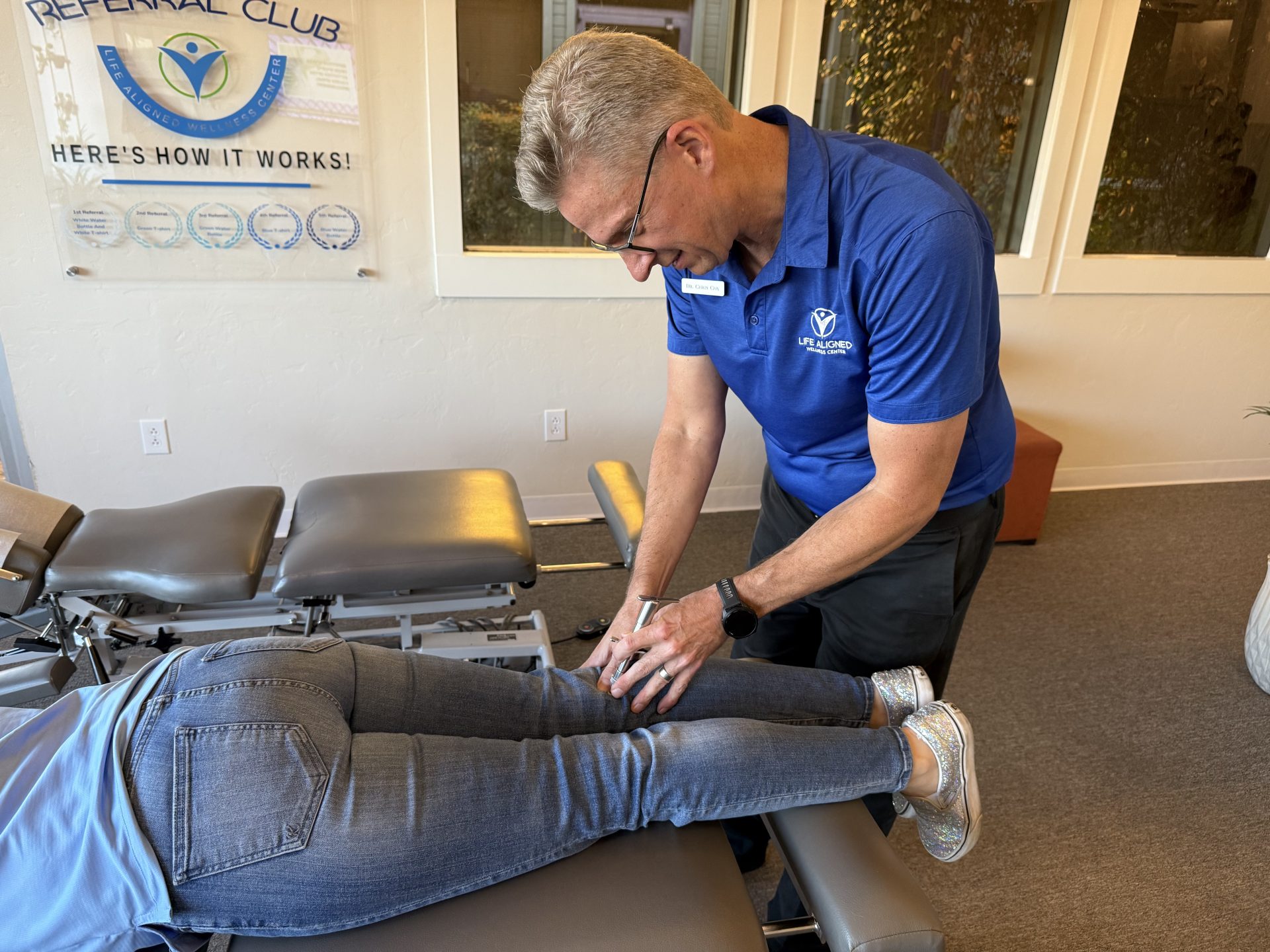
What the Evidence Says, in Plain Language
We believe you should understand why we recommend the treatments we do. Our approach isn’t based on the latest trend or a one-size-fits-all protocol; it’s built on current research, clinical experience, and a careful evaluation of your individual situation. Like all scientific studies and clinical guidelines, the evidence helps guide decisions, but no single study can predict exactly how one person will respond.
Exercise is one of the most effective treatments for knee arthritis.
The 2019 American College of Rheumatology and Arthritis Foundation guideline strongly recommends exercise, weight management, and self-management as first-line treatments for knee osteoarthritis. [1] Rather than avoiding movement, the evidence consistently shows that appropriately dosed exercise helps reduce pain, improve function, and maintain independence. The specific exercises should always be tailored to the individual rather than following a generic program.
Hands-on treatment works best when combined with active rehabilitation.
A 2022 systematic review and meta-analysis found that combining manual therapy with exercise improved pain and function for many people with knee and hip osteoarthritis more than exercise alone. This supports the approach we use in our office: helping calm irritated tissues while simultaneously restoring strength and healthy movement. Manual therapy isn’t meant to replace exercise—it’s designed to make movement easier and more effective.
The hip matters just as much as the knee.
One of the strongest findings in the research is that treating only the painful knee often isn’t enough. The 2019 Journal of Orthopaedic & Sports Physical Therapy clinical practice guideline recommends strengthening both the hip and the knee as the foundation of treatment for patellofemoral pain syndrome (runner’s knee). [3] That recommendation aligns closely with our philosophy of evaluating the entire movement system rather than focusing exclusively on the painful joint.
Shockwave therapy can be valuable for selected patients.
Research suggests extracorporeal shockwave therapy may reduce pain and improve function for some people with knee osteoarthritis and chronic patellar tendinopathy. [4,5] Like any treatment, however, it isn’t appropriate for every diagnosis. The best results occur when shockwave is combined with progressive rehabilitation rather than used as a stand-alone treatment.
The Bigger Picture
Perhaps the biggest takeaway from today’s research is that lasting improvement rarely comes from simply treating pain. The strongest evidence consistently supports helping people move better, become stronger, and gradually increase what their bodies can tolerate over time. That’s why our treatment plans focus on identifying the underlying factors contributing to your knee pain, restoring healthy movement throughout the body, and using additional therapies only when they meaningfully improve your outcome.
A Real-World Example: One Patient's Path
The following is a de-identified example that reflects the kind of case we commonly see. It is illustrative, and individual results vary.
Patient Profile
A 58-year-old Tucson resident who enjoyed hiking, pickleball, and staying active outdoors.
Treatment Plan
Approximately 8-10 weeks, progressing as her body adapted.
Treatment focused on improving the way her entire lower body functioned, not simply treating the painful knee.
Her plan included:
- Hands-on joint and soft tissue treatment to reduce pain and improve mobility
- Chiropractic adjustments where appropriate to improve overall biomechanics
- Mobility exercises for the ankle, knee, hips, and surrounding tissues
- Progressive strengthening of the quadriceps, hips, glutes, and core
- Neuromuscular retraining to improve balance, stability, and movement patterns
- Gait retraining to reduce unnecessary stress through the knee
- Activity modification while strength and capacity were rebuilt
- Home exercises to reinforce progress between visits
Baseline Limitations
Over six months, she developed gradually worsening pain along the inside of her right knee. Going downstairs became the most painful part of her day, hikes became shorter, and she eventually stopped playing pickleball because she no longer trusted her knee. She rated her pain at 6/10 during activity, with morning stiffness and occasional swelling.
Assessment Findings
Rather than focusing only on the painful knee, we evaluated how her entire body moved.
While imaging findings were consistent with early medial knee osteoarthritis, our examination also revealed several factors that were overloading the joint:
- Limited ankle mobility
- Collapse through the foot during walking
- Weak hip and gluteal stabilizers
- Poor neuromuscular control during single-leg activities
- Altered squat, stair, and walking mechanics
- Reduced balance and lower extremity stability
Although the knee was where she felt the pain, these movement impairments were causing excessive stress on the joint with every step. No red flags were present, so conservative treatment began without advanced imaging.
Progress
Week 2
- Morning stiffness significantly reduced
- Going downstairs became noticeably easier
- Pain decreased from approximately 6/10 to 4/10
- Walking felt smoother and more comfortable
Week 4
- Returned to normal daily activities
- Resumed shorter hikes without significant flare-ups
- Improved hip strength, balance, and walking mechanics
- Swelling became infrequent
Week 8 and Beyond
- Returned to longer hikes and recreational pickleball
- Pain remained at 0-1/10 during most activities
- Greater confidence on uneven terrain
- Continued improvements in strength, endurance, and movement quality
Outcome
By treating the entire movement system, not just the painful knee, we reduced the abnormal forces that had been overloading the joint. As her foot, ankle, hip, pelvis, and knee began working together more efficiently, pain improved, function returned, and she regained confidence in the activities she enjoyed.
Perhaps even more importantly, she understood why her knee had become painful and had the tools to help keep it from returning.
Maintenance Plan
To maintain her progress, she continued:
- A 15-20 minute home exercise routine two to three times per week
- Ongoing hip, core, and lower extremity strengthening
- Regular ankle mobility work
- A dynamic warm-up before hiking and pickleball
- Periodic check-ins to address small problems before they became bigger ones

Meet Your Doctor





What Our Patients Say
Free Knee Pain Recovery Guide
Want a clear, printable roadmap you can start using today? Our free Knee Pain Recovery Guide breaks down the most common causes of knee pain, simple do’s and don’ts for flare-ups, gentle starter movements, and the red flags that mean it is time to be seen.
Inside the guide you will find an at-a-glance symptom checker, early-stage strategies to calm an irritated knee, a starter mobility and strength routine, and a short list of when to seek care. It is a practical companion to the plan we build together in the office.
Download the Free Knee Pain Recovery Guide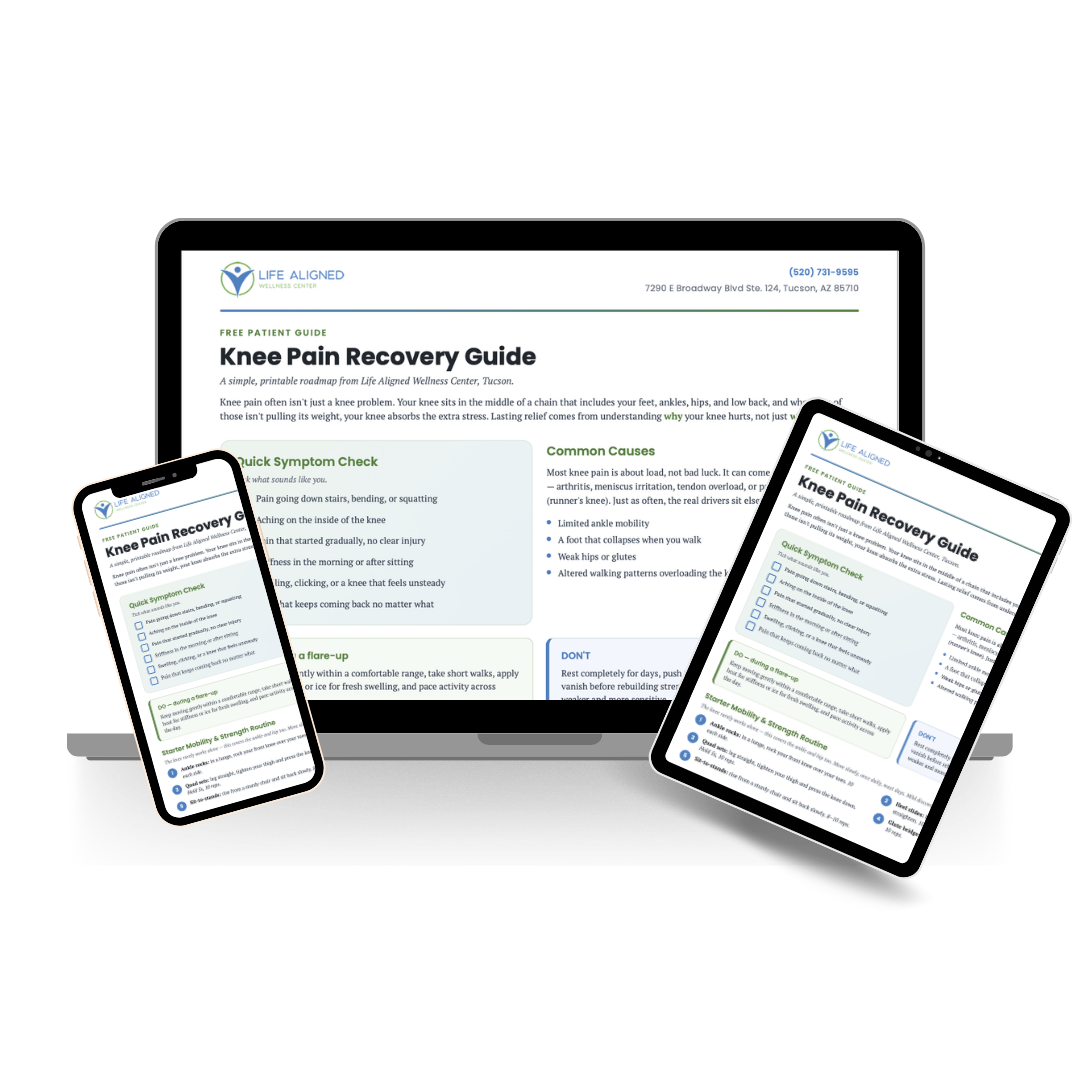
Knee Pain Self-Check Quiz
Trusted Knee Pain Care in Tucson
People throughout Tucson, Vail, Oro Valley, and the surrounding communities come to Life Aligned Wellness Center because they want more than temporary knee pain relief. They want to understand why the pain developed and what can be done to address the underlying problem.
Our whole-person, non-surgical approach to knee pain treatment looks beyond the painful joint itself. We evaluate how the knee is being affected by the feet, ankles, hips, pelvis, low back, walking mechanics, balance, strength, and neuromuscular control. This helps us identify the factors that may be placing unnecessary stress on the knee and build a plan that addresses the cause, not just the symptom.
During your first visit, we take the time to listen to your story, understand how knee pain is affecting your work and daily life, and perform a thorough hands-on and functional examination. We then explain what we find in plain language and outline the treatment options that make the most sense for your specific situation.
Your care plan may include hands-on treatment, chiropractic care, guided rehabilitation, movement retraining, strengthening, and other therapies when appropriate. The goal is not simply to help your knee feel better. It is to improve how your body moves as a whole so the knee no longer has to compensate.
As an out-of-network provider, we are able to create individualized knee pain treatment plans based on what is best for you rather than following a one-size-fits-all insurance protocol. We also offer flexible payment options, including financing.
If knee pain has been limiting your ability to walk, exercise, hike, work, or enjoy everyday life, let’s find out why. Patients from Tucson, Vail, Oro Valley, and nearby Southern Arizona communities can schedule a consultation to begin building a personalized plan for lasting improvement.
Schedule Your Consultation
References and Medical Review
- American College of Rheumatology and Arthritis Foundation. 2019 Guideline for the Management of Osteoarthritis of the Hand, Hip, and Knee. Arthritis Care and Research, 2020.
- Runge N, et al. The Benefits of Adding Manual Therapy to Exercise Therapy for Improving Pain and Function in Patients With Knee or Hip Osteoarthritis: A Systematic Review With Meta-analysis. Journal of Orthopaedic and Sports Physical Therapy, 2022.
- Willy RW, et al. Patellofemoral Pain: Clinical Practice Guidelines. Journal of Orthopaedic and Sports Physical Therapy, 2019;49(9).
- Avendano-Coy J, et al. Extracorporeal shockwave therapy improves pain and function in subjects with knee osteoarthritis: A systematic review and meta-analysis of randomized clinical trials. International Journal of Surgery, 2020;82:64-75.
- Mani-Babu S, et al. The effectiveness of extracorporeal shock wave therapy in lower limb tendinopathy, including patellar tendinopathy: A systematic review. American Journal of Sports Medicine, and related meta-analyses.
This page is for general education and does not replace personalized medical advice. Please consult a qualified provider about your specific situation.
Medically reviewed by: Dr. Christopher Cox, D.C. (Doctor of Chiropractic, Northwestern Health Sciences University), Founder, Life Aligned Wellness Center.
Last reviewed: June 2026
Knee Pain FAQs
Yes. Chiropractic care for knee pain is about much more than the knee itself. While we evaluate the joint for arthritis, ligament injuries, tendon problems, and meniscus irritation, we also assess the feet, ankles, hips, pelvis, spine, and walking mechanics that influence how force travels through the knee. Treatment may include chiropractic adjustments, hands-on therapy, rehabilitation exercises, and movement retraining to address the underlying cause, not simply mask the symptoms.
Most people with knee pain improve with conservative, non-surgical treatment and never require surgery. Surgery is typically reserved for specific injuries or when appropriate conservative care has not provided adequate improvement. Our examination helps determine whether you’re a good candidate for non-surgical care or whether imaging or referral to an orthopedic specialist would be the better next step.
Going downstairs places greater force through the front of the knee than walking on level ground. While this may be related to patellofemoral pain syndrome (runner’s knee) or early arthritis, it can also result from poor ankle mobility, hip weakness, muscle imbalances, or altered movement patterns that overload the knee. Identifying the reason those forces are occurring is often the key to lasting improvement.
Very much so. In fact, many people develop knee pain gradually without a fall, sports injury, or other obvious cause. Rather than one dramatic event, the pain often develops because the knee has been overloaded over time due to weakness, stiffness, arthritis, repetitive activity, or biomechanical changes elsewhere in the body. This type of knee pain frequently responds well to a personalized rehabilitation program that addresses the root cause.
Many patients notice meaningful improvement within the first two to four weeks, although complete recovery depends on your diagnosis, overall health, activity level, and how long the problem has been present. Some conditions improve within a few weeks, while others require several months to fully rebuild strength and movement. Our goal isn’t simply to reduce pain quickly, it’s to create lasting improvement that helps keep the problem from returning.
Shockwave therapy can be an excellent treatment for certain tendon injuries, chronic patellar tendinopathy, and some cases of knee osteoarthritis. However, it isn’t appropriate for every diagnosis. We’ll only recommend shockwave therapy if your examination suggests it’s likely to improve your outcome, and it’s almost always combined with rehabilitation rather than used as a stand-alone treatment.
Pain along the inside (medial side) of the knee commonly involves the meniscus, early osteoarthritis, ligament irritation, or overload from the way forces travel through the joint. Sometimes the underlying cause isn’t located within the knee itself but originates from problems with the foot, ankle, hip, or walking mechanics. A comprehensive examination helps determine exactly what’s contributing to your symptoms.
Recurring knee pain usually means the underlying problem hasn’t been fully addressed. While rest, medication, or injections may temporarily calm symptoms, the pain often returns if abnormal movement patterns, weakness, or biomechanical problems continue placing excessive stress on the joint. Identifying and correcting those contributing factors is often the best way to break the cycle of recurring pain.
Yes. Patients regularly travel to Life Aligned Wellness Center from Tucson, Oro Valley, Marana, Sahuarita, Green Valley, Vail, Rita Ranch, Catalina Foothills, and surrounding Southern Arizona communities for non-surgical knee pain treatment. Many are looking for a comprehensive, whole-person approach after other treatments have provided only temporary relief.
Content Reviewed By: Dr. Christopher Cox, D.C. on August 21, 2026
Chiropractic License Number: 7238 (NPI: 1134253172)