
Date: September 5, 2025
What Happens to Your Neck During Whiplash in Tucson?
Whiplash. The word alone can make anyone cringe. It’s a common neck injury that occurs suddenly and often unexpectedly, usually during car accidents, sports, or even a simple slip and fall. But what exactly happens to your neck during whiplash? Let’s dive into the mechanics, symptoms, and why early care is crucial to prevent long-term issues.
What Is Whiplash?
Whiplash is a type of neck injury caused by a rapid back-and-forth motion of the head and neck, much like the cracking of a whip. This sudden jolt overstretches and strains the muscles, ligaments, and tendons in your neck. Think of it as a snap; your neck isn’t designed to move that fast or that far, so it responds by getting injured.

The Science Behind the Snap: What Happens Inside Your Neck?
During whiplash, your head first jerks backward (hyperextension), then forward (hyperflexion) with force. This motion can cause:
- Muscle and Ligament Strain: These soft tissues get stretched beyond their normal limits, leading to inflammation and pain.
- Joint and Disc Injury: The small facet joints and intervertebral discs in your cervical spine may be compressed or damaged.
- Nerve Irritation: Swelling or structural changes can pinch nerves, causing shooting pain or numbness down your arms.
- Micro-tears: Tiny tears in muscles and ligaments can result in lingering stiffness and weakness.
Why Does Your Neck Hurt After Whiplash?
Your neck has a complex network of muscles and nerves. When these get overstretched or injured, they trigger an inflammatory response, that’s your body’s natural healing process. This inflammation causes pain, stiffness, and sometimes headaches. Plus, muscle spasms can kick in as your body tries to protect the area, which only adds to the discomfort.
Common Symptoms of Whiplash
Not all whiplash injuries are alike, but typical symptoms include:
- Neck pain and stiffness
- Headaches, often starting at the base of the skull
- Shoulder or upper back pain
- Dizziness or blurred vision
- Tingling or numbness in the arms or hands
- Fatigue and difficulty concentrating
If you experience any of these after an accident or trauma, it’s important to get checked by a healthcare professional.
The Importance of Early Treatment
Ignoring whiplash symptoms or delaying treatment can lead to chronic neck pain and limited mobility. Early intervention often includes:
- Gentle Chiropractic Adjustments: To restore proper neck alignment and mobility.
- Physical Therapy: Exercises to strengthen muscles and improve flexibility.
- Pain Management: Ice, heat, and sometimes medication to reduce inflammation.
- Posture Correction: Preventing further strain during daily activities.
At Life Aligned Wellness Center, we specialize in holistic care that helps your neck heal naturally and safely. Ready to take the first step? Book your complimentary consultation here.
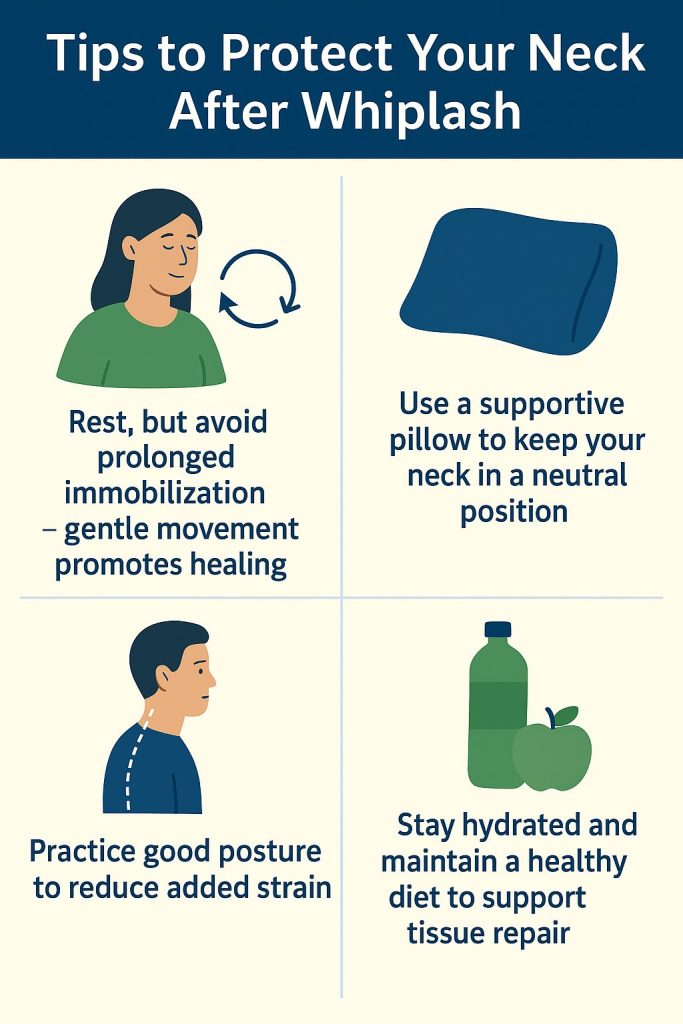
Tips to Protect Your Neck After Whiplash
- Rest, but avoid prolonged immobilization – gentle movement promotes healing.
- Use a supportive pillow to keep your neck in a neutral position.
- Practice good posture to reduce added strain.
- Stay hydrated and maintain a healthy diet to support tissue repair.
When to Seek Help
If neck pain worsens or if you experience weakness, severe headaches, or numbness, don’t wait. Prompt assessment and treatment can make all the difference.

Whiplash may be sudden, but recovery doesn’t have to be complicated. Understanding what happens to your neck during whiplash empowers you to take swift, smart action. If you or a loved one is dealing with neck pain after an accident, reach out to Life Aligned Wellness Center. We’re here to help you get back to feeling your best.
If you are still unsure if you should seek professional help, click here and download our Post-Accident Symptom Checklist